"Es que yo no tengo don para los idiomas."
En casi veinte años de enseñar español, he escuchado esta frase cientos de veces. Y les voy a contar un secreto: casi nunca es verdad.
El mito del talento
En Europa, el ciudadano promedio habla dos o tres idiomas. ¿Nacieron con un gen especial? No. Crecieron rodeados de otras lenguas, las escuchan a diario y — esto es lo importante — nadie les enseñó a tener miedo de equivocarse. Hablan, se equivocan, los corrigen, y siguen hablando.
Aprender un idioma no es como las matemáticas, donde hay una fórmula. Se parece más a un deporte: nadie corre un maratón la primera semana, pero cualquiera que entrene un poco cada día llega a la meta.
Los tres ingredientes que sí funcionan
Constancia sobre intensidad. Quince minutos diarios valen más que tres horas un sábado al mes. El cerebro aprende idiomas por goteo, no por inundación.
Equivocarse en voz alta. Cada error corregido es una palabra que nunca más pronunciarás mal. El estudiante que habla con errores avanza; el que espera hablar perfecto se queda callado para siempre.
Un guía humano. Las apps son un buen comienzo — te dan vocabulario y disciplina. Pero ninguna app te corrige la pronunciación en tiempo real, te hace preguntas de seguimiento ni celebra contigo cuando por fin sale ese "rr". Para hablar, necesitas conversar con personas.
La prueba viviente
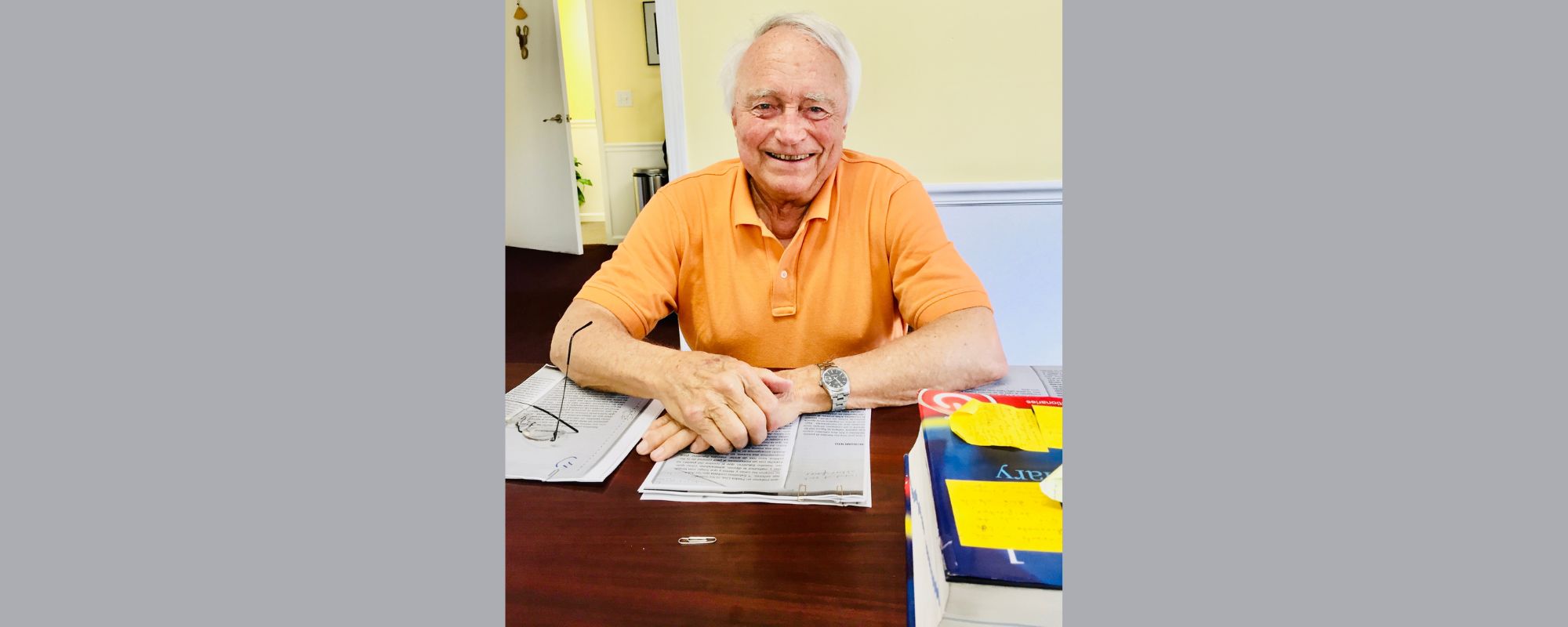
Mi estudiante favorito para contar esta historia se llama Don Roberto. Llegó a su primera clase diciéndome: "Sé que a mis setenta y tantos ya es tarde para mí, pero mi sueño es jubilarme en Cuenca, Ecuador." Le hice una sola pregunta: "¿De verdad quieres aprender?" Me dijo que sí.
Hoy Don Roberto vive en Cuenca. Me manda fotos desde su balcón.
También lo veo en casa: mi hijo de once años empezó griego como pasatiempo. Un año después, en vacaciones en Grecia, la guía turística terminó conversando con él en griego mientras yo miraba con la boca abierta.
La única pregunta que importa
No es "¿tengo talento?". Es: ¿estás dispuesto a dedicarle unos minutos cada día y a reírte de tus propios errores?
Si la respuesta es sí, ya tienes todo lo que necesitas. Lo demás lo ponemos nosotros.
Si yo pude, tú puedes. — Paola Moretta
The Myth of the “Language Gene” (and What Actually Works)
"I just don't have a gift for languages."
In almost twenty years of teaching Spanish, I've heard that sentence hundreds of times. And let me tell you a secret: it's almost never true.
The talent myth
In Europe, the average citizen speaks two or three languages. Were they born with a special gene? No. They grew up surrounded by other languages, they hear them daily, and — this is the important part — nobody taught them to be afraid of making mistakes. They speak, they get it wrong, they get corrected, and they keep speaking.
Learning a language is not like math, where there's a formula. It's more like a sport: nobody runs a marathon their first week, but anyone who trains a little every day reaches the finish line.
The three ingredients that actually work
Consistency over intensity. Fifteen minutes a day beats three hours one Saturday a month. The brain learns languages drop by drop, not by flood.
Making mistakes out loud. Every corrected error is a word you'll never mispronounce again. The student who speaks with mistakes moves forward; the one waiting to speak perfectly stays silent forever.
A human guide. Apps are a fine start — they give you vocabulary and discipline. But no app corrects your pronunciation in real time, asks you follow-up questions, or celebrates with you when that rolled "rr" finally comes out. To speak, you need to converse with people.
Living proof
My favorite student for this story is Don Roberto. He arrived at his first class telling me: "I know that at seventy-something it's too late for me, but my dream is to retire in Cuenca, Ecuador." I asked him one question: "Do you really want to learn?" He said yes.
Today Don Roberto lives in Cuenca. He sends me photos from his balcony.
I see it at home, too: my eleven-year-old started Greek as a hobby. A year later, on vacation in Greece, the tour guide ended up chatting with him in Greek while I watched with my mouth open.
The only question that matters
It's not "do I have talent?" It's: are you willing to give it a few minutes every day and laugh at your own mistakes?
If the answer is yes, you already have everything you need. We'll bring the rest.
If I could do it, you can too. — Paola Moretta